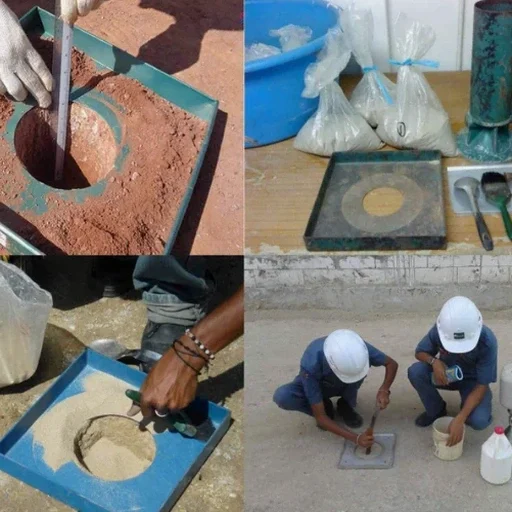
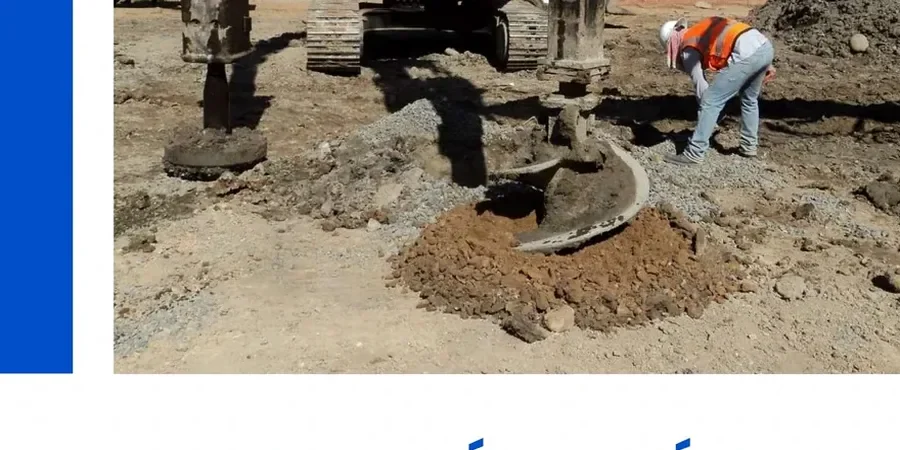
The Thompson River Valley floor in Kamloops presents a unique challenge for foundation engineers. Glacial lake deposits and fluvial sands dominate the subsurface, and the water table sits high across much of the city basin. When a project site is underlain by loose, saturated granular soils, seismic shaking—Kamloops is in a moderate seismic zone under NBCC 2020—can trigger rapid strength loss. Stone column design addresses this directly. By constructing dense, compacted gravel columns through the weak layer, we create rigid inclusions that densify the surrounding soil during installation. For sites with finer silt content, we often combine this approach with in-situ permeability testing to verify drainage improvement, which is essential for excess pore pressure dissipation during an earthquake. The method works with the native geology rather than replacing it, a point our team considers non-negotiable in the variable alluvial profiles common from Brocklehurst to Valleyview.
A properly designed stone column grid can reduce liquefaction-induced settlement by 50% or more in the saturated silty sands found across the Kamloops basin.