One of the most expensive mistakes a contractor can make in Kamloops is assuming a one-size-fits-all anchor bond length. The transition from dense glacial till to fractured bedrock happens abruptly across the city, and a passive anchor designed without a site-specific slope stability analysis will either creep under load or fail outright during the spring thaw. Our team has seen projects on the North Shore where anchor systems had to be completely redesigned mid-excavation because the original design ignored the colluvial interface at the till-bedrock contact. We approach every active or passive anchor design by first resolving the lateral earth pressure distribution with data from in-situ permeability tests and rock core logging, then selecting the tendon configuration and bonded length that meets the current National Building Code of Canada and CSA A23.3 requirements.
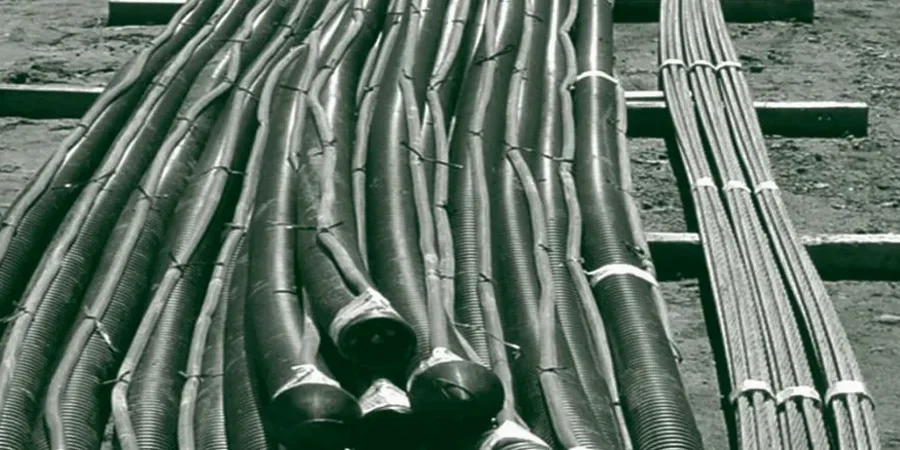
A properly locked-off active anchor is not just a support element—it is a calibrated structural tendon that pre-compresses the soil mass before the first excavation bucket enters the ground.